
Services
Office security guards in London
Albiz Security provides SIA-licensed security officers for offices across London. By day they work front of house, greeting visitors, signing them in and controlling who gets past reception. Out of hours they lock up, patrol the building and deal with anything unusual, and we monitor officers and sites 24/7.
- Officers
- SIA-licensed
- Monitoring
- 24/7
- Cover
- All of London
- Quality
- ISO 9001:2015
Offices
What's included
Front of house
An officer at reception who greets staff and visitors, deals with enquiries and keeps watch on the entrance.
Visitor management
Visitors are signed in, given a pass and collected by their host, following the procedure you set.
Access control
Officers check passes at doors and turnstiles, deal with lost or forgotten passes, and stop anyone following a pass-holder in.
Out-of-hours cover
Officers in the evening, overnight and at weekends who lock up, patrol the floors and check the building is secure.
How it works
How does office security work?
Tell us about the building
Where it is, the hours you need covered, how people get in, and what you'd like the officers to do. Call 020 8305 1122 or ask for a quote.
We plan the cover
Front-of-house, access control and out-of-hours roles, the hours of each and how they hand over. We visit the building before we quote.
We agree site instructions
Written instructions for your building, covering reception and visitor procedures, contractors, lost passes, deliveries, emergencies and who to call.
Officers start
Officers start on the date we agree, and learn your staff, visitors and routines. We can usually start within 24 hours. If it's urgent, we need at least 3 hours' notice. How we brief officers depends on what your building needs.
Familiar faces
Regular officers get to know your building and the people in it. We try to keep the same officers on your site, and our spare officers normally cover holidays and sickness.
Reporting and review
We report incidents to your facilities team, and change the cover as the building's use changes. What we report, and how often, depends on what you need.
What does an office security officer do?
During the day, most of the job happens at the front desk. The officer greets staff and visitors, signs visitors in, issues passes and makes sure nobody gets past reception without a reason to be there. They also watch the entrances, take in couriers and deliveries, and answer questions.
In a building with several tenants, the officer usually works for the landlord or managing agent and handles every tenant’s visitors. In a single-company office, they follow your own rules, often alongside your receptionist.
Out of hours, the job changes. The officer locks up after the last people leave, patrols the floors, checks doors, windows and plant rooms, and deals with alarms, leaks and anyone who shouldn’t be there. They report anything unusual to your facilities team, and we monitor officers and sites 24/7.
How do you manage visitors?
Our officers follow your visitor procedure. A simple one works like this:
- The host registers the visitor in advance.
- On arrival, the officer checks the visitor’s name against the list, signs them in and issues a visitor pass.
- The officer calls the host, who collects the visitor from reception.
- Visitors without an appointment wait in reception until someone agrees to see them.
- When visitors leave, the officer signs them out and takes back the pass.
Officers can work with a paper sign-in book or the visitor management system you already use. Sign-in records hold personal data, so agree with us who keeps them and for how long. The ICO publishes guidance on data protection.
How do officers control access?
If your building uses passes, such as cards at the door or turnstiles in the lobby, officers make the system work in practice. They:
- watch the doors and gates for tailgating, where someone follows a pass-holder in
- deal with lost and forgotten passes, checking who the person is before issuing a temporary one
- sign contractors in against the work you’ve booked, and check they leave when the job is done
- keep the post room, server room and other restricted areas closed to anyone without access
- check that doors meant to stay locked are locked
If someone tries to get in without a pass, the officer asks who they’ve come to see, calls the host and keeps them in reception until someone vouches for them. Often it’s a forgotten pass or a visitor nobody registered. If someone refuses to leave or becomes aggressive, the officer follows your procedure, which may mean calling the police.
What happens to post and deliveries?
Front-of-house officers usually take in couriers and deliveries, so nobody unexpected wanders the floors. They sign for each item, log it, keep it secure until it’s collected and record who collected it. Agree with us what the desk accepts, such as large deliveries or items that need a signature.
Anything that looks suspicious, such as an unexpected package with no sender, stains or wires, isn’t opened. The officer follows your building’s procedure: leave it where it is, keep people away and report it.
What happens in an emergency?
Officers follow your emergency procedures. Under the Regulatory Reform (Fire Safety) Order 2005, the responsible person for the building must set up procedures for serious and imminent danger, such as a fire, and nominate enough competent people to carry out an evacuation.
When the alarm sounds, the officer at the front desk is well placed to help. They can take the sign-in record to the assembly point, so you know which visitors are still inside, and meet the fire brigade at the entrance. Agree their role with us before they start. All our SIA-licensed officers are first aid trained, and almost all our staff are fire marshal trained. If you need it, we can give that training to officers who don’t have it.
What does out-of-hours cover involve?
An office open from 8am to 6pm on weekdays is empty for 118 of the 168 hours in a week. You can cover that time in three ways:
- An officer on site through the evening, overnight and at weekends.
- Mobile patrols, where an officer locks up, checks the building and moves on.
- Keyholding and alarm response, where we hold your keys and attend when your intruder alarm goes off, so nobody from your team has to.
Some offices combine them, such as an officer on site on weeknights and patrols at weekends.
On a night shift, the officer walks the floors at set times. They check that doors and windows are secure and that taps, lights and equipment are off, and they watch for leaks, faults and alarms. They also sign in and out any cleaners and contractors working out of hours.
Do you cover several buildings for one managing agent?
Yes. Managing agents and facilities teams often buy security for several buildings at once. Agree the same site instructions, reporting and incident procedure for each building, so you can compare them, and give us each building’s service charge year if cover is budgeted that way. Each building keeps its own instructions for anything that’s different, such as access hours or a loading bay.
Who looks after people working alone?
An officer on a night shift often works alone. HSE guidance says employers must manage the risks before anyone works alone. We monitor our officers 24/7, every day of the year.
If your own staff work late or come in at weekends, an officer on site means they’re not alone in the building, and at closing time the officer can walk them to the door or the car park.
What should you check before you hire?
- Licences. Anyone guarding your building under contract must hold an SIA licence.
- The right people for front of house. Visitors often meet your security officer before anyone else. Ask how officers are chosen for front-of-house work, and whether you can meet them before they start. You can meet ours before they start, if you ask.
- Cover for absence. Ask who covers when your regular officer is ill or on holiday, so the front desk is never left empty.
- Vetting. Officers see who comes and goes, and may hold keys and passes. Ask how they’re screened before they start. Our officers are screened to BS 7858 before they start.
- Insurance. Ask for proof of public and employers’ liability cover. We’ll send you our insurance certificate on request.
- Standards. The British Standard for static guarding is BS 7499. Ask which standards the company works to.
- Supervision. Ask who checks on the officers, and how often. Our supervisors visit regularly.
Our credentials page sets out what you can check about us.
Prices
How much does office security cost?
We quote for each building, based on the hours and the roles you need.
Get a quote- Hours
- Working hours at reception, evenings and weekends, or round-the-clock cover.
- Roles
- Front-of-house officers, access control on doors or turnstiles, and out-of-hours officers who patrol and lock up.
- Entrances
- Each staffed entrance, turnstile line or loading bay is a post that needs an officer.
- Nights, weekends and bank holidays
- Unsocial hours and bank holidays can cost more than weekday days.
- Extra duties
- Anything beyond the desk and the patrol, such as the post room or deliveries.
- Contract length and notice
- A long-term contract planned in advance usually costs less per hour than short-notice or one-off cover.
How we work
What stands behind every officer?
The standards we work to on your site.
Every officer SIA-licensed
Every officer we put on your site holds the SIA licence the job needs. The SIA licenses individual officers.
Vetted before they start
We screen our officers to BS 7858 before their first shift.
Briefed on your site
Officers work to written instructions for your site, agreed with you: their duties, who to call, and what to do in an emergency. Every officer gets an induction, and our supervisors visit regularly.
Monitored 24/7
We monitor our officers and sites around the clock from our control room, every day of the year, including nights, weekends and bank holidays.
Incidents handled and recorded
If something happens, the officer deals with it safely, calls the emergency services if they're needed, tells your named contact and writes it up. What we report, and how often, depends on what you need.
Certified to ISO 9001:2015
Our quality management system is certified to ISO 9001:2015, covering guarding and keyholding. Our operations team is led by a manager who holds the IOSH Managing Safely certificate.
Questions
Common questions
Do office security officers need an SIA licence?
Yes, if they're supplied under a contract and their duties include guarding the building. The Private Security Industry Act 2001 makes that licensable. All our security officers hold current SIA licences.
Can one officer cover security and reception?
Often, yes. A front-of-house officer can sign in visitors, take deliveries and answer enquiries as well as controlling access. Tell us what the role involves and we'll tell you whether one officer can do it well, or whether you need two.
Will we have the same officers each day?
We try to keep the same officers at each building, though we can't promise it. Our spare officers normally cover holidays and sickness.
Can you cover evenings, nights and weekends?
Yes. We provide officers for evenings, nights, weekends and bank holidays, and we monitor officers and sites 24/7, every day of the year.
Do you cover the whole of London?
Yes. We cover all 32 London boroughs and the City of London.
Where
Where in London?
We cover all of London. These area guides explain where this service is most often needed, and why.
Services
Our other services

Construction site security
Static guards, out-of-hours cover and site access control.
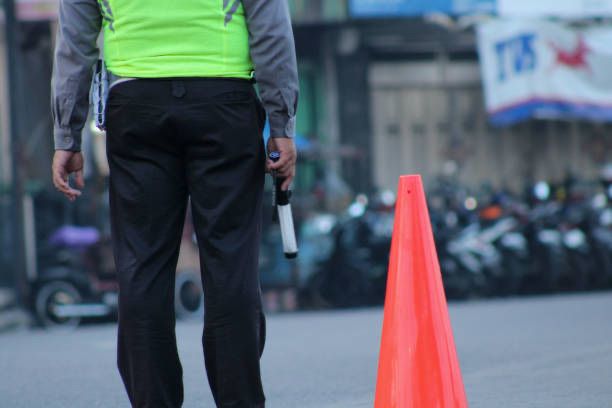
Traffic marshal hire
Marshals for deliveries, vehicle movements and site gates.

Warehouse and industrial security
Gatehouse, vehicle and yard control for warehouses and estates.

Keyholding and alarm response
We hold your keys and attend when your intruder alarm goes off.

Mobile patrols
Scheduled and random visits to check and lock up your site.

Concierge and reception
Concierge officers for residential blocks and managed buildings.
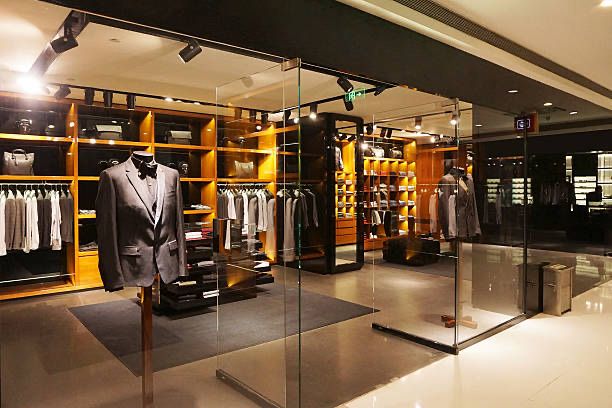
Retail security
Uniformed officers for London shops and shopping centres.
Blog
Related guides
Security costs in London: what a guard quote must cover
What a security guard costs in London, built up from the 2026 National Living Wage, holiday pay and working-time rules, plus what a 24/7 post needs.
Fire marshal checklist: daily, weekly and monthly checks
Printable fire marshal checklist grouped by start of day, weekly and monthly checks, with evacuation duties, defect reporting and the law behind each item.
What Is a Fire Marshal? Duties, Law and Hiring
What a fire marshal does before, during and after an evacuation, what the Fire Safety Order requires, and when to hire marshals rather than train staff.