
Services
Mobile security patrols in London
Albiz Security runs mobile patrols across London. An SIA-licensed officer visits your premises at set or random times to check the building, lock or unlock it, and report what they find. Patrols suit premises that need regular checks but not an officer on site all the time, and we monitor officers and sites 24/7.
- Officers
- SIA-licensed
- Monitoring
- 24/7
- Cover
- All of London
- Quality
- ISO 9001:2015
Mobile patrols
What's included
Scheduled or random visits
Visits at set times, at times that change from night to night, or both, on the days you choose.
Lock and unlock
An officer opens up or locks up at agreed times, sets or unsets the alarm, and checks doors, windows and shutters.
Empty building checks
Checks on empty or closed premises for signs of entry, damage, leaks and anything that could start a fire.
Visit reports
Each visit is recorded in a report left on site, which can also be done digitally. If there's a major incident, we contact your main contact.
How it works
How do mobile patrols work?
Tell us about the premises
Where they are, when they're empty, what you'd like checked, and whether you need lock-ups or unlocks. Call 020 8305 1122 or ask for a quote.
We agree the visits
How many visits, at what times, whether they're scheduled or random, and the checklist the officer works through at each one. We visit the site before we quote.
Keys and alarm codes
If officers need to go inside, we hold a set of keys and the alarm details. We tag and number your keys with internal codes, and lock them away in a secure safe and facility.
Patrols start
Visits start on the date we agree. We can usually start within 24 hours. If it's urgent, we need at least 3 hours' notice.
Each visit is recorded
The officer leaves a report on site, which can also be done digitally. If there's a major incident, we contact your main contact.
The pattern changes when the risk does
If a building falls empty, works start or there's trouble nearby, we change the times and number of visits with you.
What does a mobile patrol officer do?
On each visit, the officer works through checks we agree with you. Outside, that usually means the perimeter, gates, doors, windows and shutters, and anything left in the yard. Inside, if we hold your keys, it can include each floor, the alarm panel, plant rooms and signs of a leak or a fault.
If everything is in order, they record the visit and move on to their next site. If something is wrong, such as an open door, a broken window or someone who shouldn’t be there, they deal with it if it’s safe to and report it. We monitor officers and sites 24/7.
Patrol officers have no more legal powers than anyone else. If they find someone who shouldn’t be there, they ask them to leave and call the police, rather than try to hold them; our retail page explains the limits.
Scheduled or random visits?
Scheduled visits happen at set times. They suit jobs that must be done at a particular time, such as locking up after the last person leaves or opening up before staff arrive.
Random visits happen at different times each night, so there’s no pattern for anyone watching the site to learn. They suit premises that stand empty for long periods, such as a closed office or a yard at the weekend.
A common pattern is a scheduled lock-up in the evening, then one or more random visits through the night.
Which premises suit mobile patrols?
Patrols work well wherever a building is closed or empty for part of the day or week. For example:
- offices and shops after closing time
- warehouses, yards and industrial units at night and at weekends
- construction sites between shifts and over holidays
- car parks, bin stores and common parts of residential blocks
- buildings that stand empty between tenants or while they wait for redevelopment
If your premises are busy around the clock, or something valuable needs watching all the time, a static guard is usually the better choice.
How often should an officer visit?
It depends on the premises, what’s kept there and how long they stand empty. For example:
- a lock-up every evening and an unlock every morning
- two or three random visits a night, every night
- visits at weekends and bank holidays only, while the building is closed
- extra visits over Christmas or a summer shutdown, or while a building is empty between tenants
We agree the pattern with you, and review it if anything changes, such as a building falling empty or an incident nearby.
What happens at a lock-up or unlock?
At a lock-up, the officer arrives at the agreed time, checks that nobody is left inside, locks the doors, windows and shutters, and sets the alarm. They can also switch off lights and equipment on a list you give us. If your staff work late, an officer can meet the last person out, so nobody has to lock up alone.
At an unlock, they arrive before your staff or contractors, unset the alarm, open up and check that nothing has changed overnight. Each lock-up and unlock is recorded.
Mobile patrols or a static guard?
| Mobile patrols | Static guard | |
|---|---|---|
| How it works | An officer visits at set or random times, then moves on | An officer stays on site for the whole shift |
| Suits | Closed or empty premises, lock-ups, unlocks and regular checks | Busy sites, receptions, gates and deliveries |
| What you pay for | The visits you need | Every hour of the shift |
| What it can’t do | Watch the site between visits | Be in more than one place |
Some premises use both, such as a static guard by day and patrols at night. If you’re not sure which you need, tell us about the site and we’ll suggest what would work.
Can you check an empty building?
Yes. Empty premises, such as offices between tenants or buildings waiting for redevelopment, still need regular checks. On each visit, the officer looks for signs of entry, damage, water leaks, fly-tipping and anything that could start a fire, and checks that the alarm is set.
If a building is empty, ask your insurer whether your policy sets conditions for unoccupied premises, such as how often they must be inspected. We can time our visits to match.
How is each visit reported?
The officer leaves a report on site, which can also be done digitally. If there’s a major incident, we contact your main contact rather than waiting for the report.
Over time, the records show patterns, such as a door that’s often found unlocked or a fence that keeps being damaged, so you can fix the cause.
What should you check before you hire?
- Licences. Under the Private Security Industry Act 2001, anyone guarding your premises under contract must hold an SIA licence.
- Proof of visits. Ask how each visit is recorded and what you’ll see, such as times, photos or checkpoint scans.
- Officer safety. Patrol officers often work alone at night, so ask how they’re looked after. We monitor our officers 24/7, every day of the year.
- Insurance. Ask for proof of public and employers’ liability cover. We’ll send you our insurance certificate on request.
- Standards. The British Standard for mobile patrols is BS 7984-3, the code of practice for mobile security services. Ask whether the company works to it.
Our credentials page sets out what you can check about us.
Prices
How much do mobile patrols cost?
We quote for each site. The price depends on how many visits you need and what the officer does at each one.
Get a quote- Number of visits
- One visit a night, several, or visits at weekends and over holidays only.
- Time on site
- A quick check of the outside takes less time than a full internal patrol, a lock-up or an alarm set.
- Times of visits
- Visits at fixed times, or random times that change from night to night.
- Keyholding and alarm response
- Adding keyholding and alarm response covers the hours between visits.
- Contract length
- Ongoing patrols cost less per visit to plan than a short run of visits at short notice.
How we work
What stands behind every officer?
The standards we work to on your site.
Every officer SIA-licensed
Every officer we put on your site holds the SIA licence the job needs. The SIA licenses individual officers.
Vetted before they start
We screen our officers to BS 7858 before their first shift.
Briefed on your site
Officers work to written instructions for your site, agreed with you: their duties, who to call, and what to do in an emergency. Every officer gets an induction, and our supervisors visit regularly.
Monitored 24/7
We monitor our officers and sites around the clock from our control room, every day of the year, including nights, weekends and bank holidays.
Incidents handled and recorded
If something happens, the officer deals with it safely, calls the emergency services if they're needed, tells your named contact and writes it up. What we report, and how often, depends on what you need.
Certified to ISO 9001:2015
Our quality management system is certified to ISO 9001:2015, covering guarding and keyholding. Our operations team is led by a manager who holds the IOSH Managing Safely certificate.
Questions
Common questions
How often can an officer visit?
As often as your premises need: one visit a night, several, or visits only at weekends and bank holidays. We agree the pattern with you, and can add visits when you need them, such as while the building is closed over Christmas.
Do you need our keys?
Only if the officer needs to go inside, or to lock and unlock. Without keys, they check the outside: the perimeter, gates, doors, windows and shutters. If they need keys, we hold them for you.
What happens if the officer finds a problem?
If it's safe to, they deal with it there and then, such as securing an open door. They call the police or fire service if needed and note it in their report. If there's a major incident, we contact your main contact.
Can you attend when our alarm goes off?
Yes, if it's an intruder alarm. That's our keyholding and alarm response service, which works alongside patrols. We attend within 1 hour as standard, though this can vary depending on where the building is.
Do you cover the whole of London?
Yes. We cover all 32 London boroughs and the City of London.
Where
Where in London?
We cover all of London. These area guides explain where this service is most often needed, and why.
Services
Our other services

Construction site security
Static guards, out-of-hours cover and site access control.

Traffic marshal hire
Marshals for deliveries, vehicle movements and site gates.

Warehouse and industrial security
Gatehouse, vehicle and yard control for warehouses and estates.

Keyholding and alarm response
We hold your keys and attend when your intruder alarm goes off.
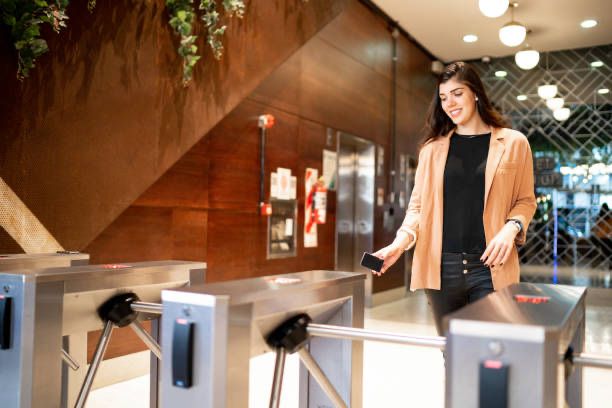
Office and corporate security
Front-of-house officers and out-of-hours cover.

Concierge and reception
Concierge officers for residential blocks and managed buildings.
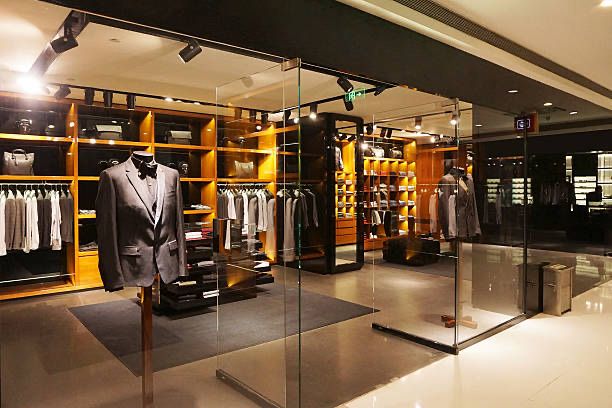
Retail security
Uniformed officers for London shops and shopping centres.
Blog
Related guides
Construction site security: what the law requires
Who answers for keeping people off a construction site, what the regulations and HSE expect, the hoarding rules in London, and when a guard is worth it.